Why Futures Traders Use Market Replay: A Look at NQBacktest
A look at browser-based futures practice across Nasdaq, S&P 500 and gold, with a repeatable replay workflow and clear simulation limits.
Disclosure: The Daily Blend and NQBacktest share an owner. This is an owner-promoted product feature, based on the platform's public documentation rather than an independent performance review.
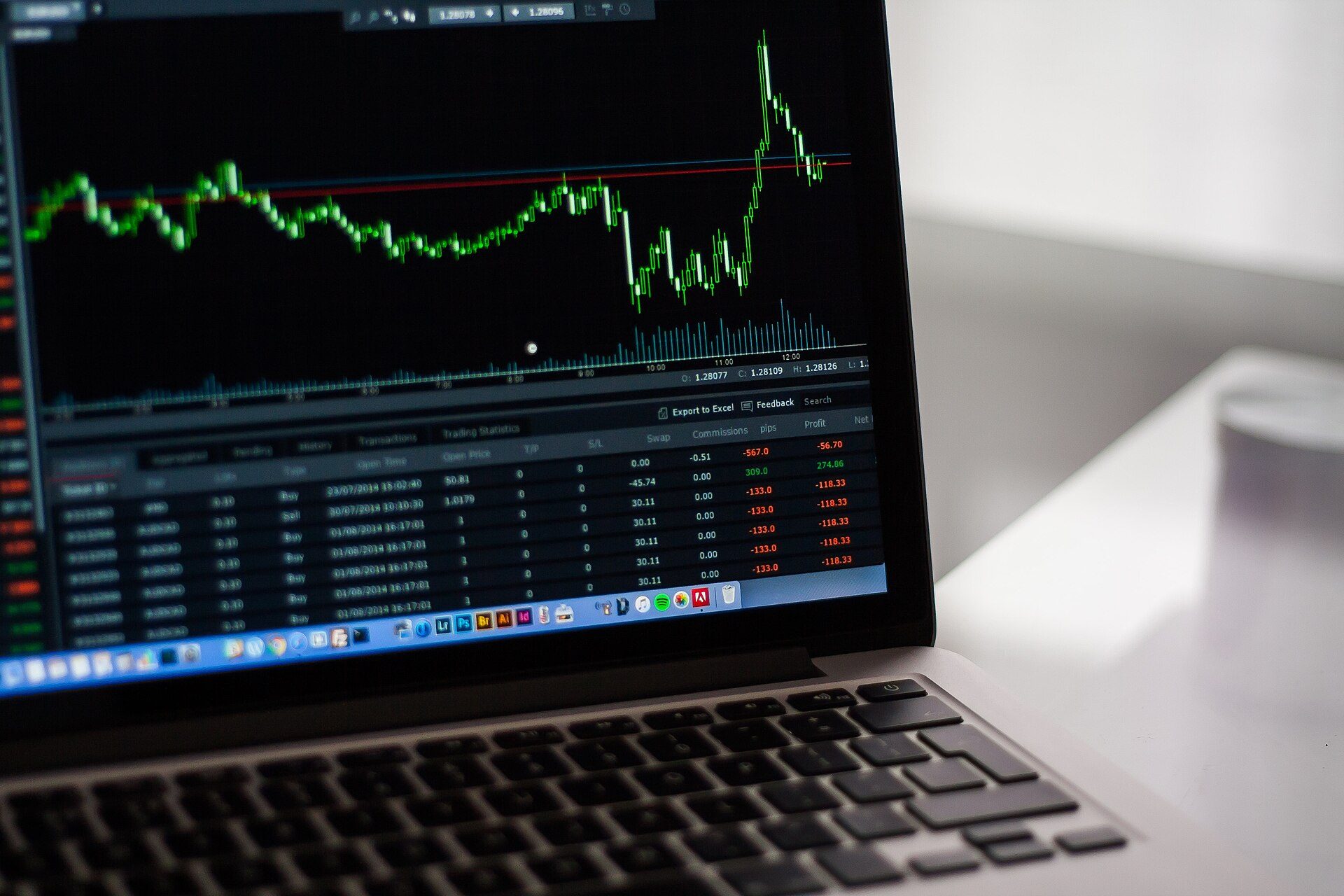
A completed price chart makes decisions look easier than they felt in the moment. Once the next move is visible, an entry can seem obvious and a losing trade avoidable. Historical market replay changes the exercise: the participant has to make a decision before the next candle appears.
NQBacktest, branded NQ Replay on its website, applies that approach to futures practice in a browser. The platform describes a workflow built around recorded sessions, simulated trades and a trading journal. Its purpose is to give users a place to rehearse decisions without committing trading capital.
What a replay session involves
According to its product documentation, the platform lets users reveal historical candles progressively, pause playback and adjust its speed. The Nasdaq offering covers NQ and MNQ, with automatic overlays for concepts such as fair value gaps and prior-day highs and lows.
These features can support a structured exercise, but marking a level is only the start. A useful practice session needs a rule that can be stated before the outcome is known: what would qualify as an entry, where the idea would be invalidated and what would cause the user to skip it.
For example, a user might choose one time window, mark a reference level and record every qualifying setup across several dates. That is a practice method, not a recommendation to buy or sell a contract. Repeating the same process makes the record easier to evaluate than collecting attractive screenshots after the fact.
Beyond Nasdaq: S&P 500 and gold
The platform's ES Replay for S&P 500 futures offers recorded E-mini S&P 500 sessions with simulated orders and journal review. Its public overview describes one-minute bars and one-second data for the forming candle. ES access requires Pro or Pro+; the overview states that MES replay is not offered.
The distinction matters when reviewing a platform. A related contract is not automatically an available instrument, and a similar price move does not establish identical execution.
For a different underlying market, Gold Replay for GC and MGC covers recorded COMEX Gold and Micro Gold sessions on the Pro and Pro+ plans. The two contracts have different sizes and are replayed from their own recorded sessions. A user comparing their results should keep the contract, session and position size clearly identified rather than treating every trade as interchangeable.
Archive coverage and plan terms can change. Readers should check the relevant product pages for the dates and features available before subscribing.
A practical way to evaluate the tool
Start with a question narrow enough to answer. Instead of asking whether an entire trading approach works, define one setup and record how it behaves over a predetermined set of sessions.
Write the rules before starting. Log skipped opportunities as well as entries, and separate following the plan from making a simulated profit. If the rules change halfway through, treat the revised version as a separate exercise. Reserve additional sessions for checking the revised rules without adjusting them again after each result.
This process cannot establish that future trading will be profitable. It can, however, make the user's own practice record more organized and the assumptions behind it more visible.
Where simulation stops
NQBacktest uses historical candle data, including one-second bars where available. That is not a tick-by-tick feed or an order-book reconstruction. Recorded-bar simulation also cannot fully reproduce live slippage, liquidity conditions or the pressure of trading real money.
The product is best evaluated as a rehearsal environment. A replay journal records what happened under the simulator's assumptions; it does not prove what would have happened in a brokerage account.
Production note: This original product feature was prepared with AI assistance using the linked public product documentation. It is educational information, not investment advice.
Sources and further reading
Newsletter
The Daily Blend, in your inbox
Related stories
Estée Lauder raises annual outlook after stronger September quarter
The beauty group lifted fiscal 2027 sales and adjusted-profit forecasts while reporting 7% quarterly net-sales growth.

OPEC+ keeps December targets steady, with next review on November 29
Seven producers retain September production requirements for December; output targets remain distinct from barrels actually reaching buyers.

ECB holds interest rates as rising energy costs complicate inflation outlook
The European Central Bank kept its deposit rate at 2.5%, citing higher energy costs but broadly stable underlying inflation.